

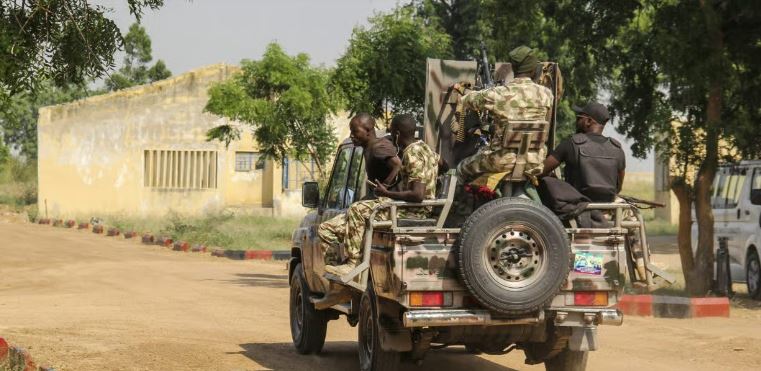
In a scathing reflection on the health of Nigeria’s Fourth Republic, new details have emerged regarding a high-level conspiracy to topple the administration of President Bola Tinubu in October 2025. While the government initially met whispers of the coup with a wall of denial—even canceling Independence Day celebrations without clear cause—it has now become evident that the threat was both credible and narrowly averted. Senior military officers were reportedly involved in the plot, which aimed to exploit economic grievances and political divisions to justify a return to junta rule.
The narrative of this “coup that didn’t happen” highlights a dangerous gap in communication between the presidency and the public. Rather than a transparent investigation, Nigerians were served “antiseptic statements” and closed-door briefings. Analysts argue that this culture of concealment does more to weaken democracy than the plot itself, as it treats citizens like subjects rather than stakeholders in their own governance.
Why This Matters
The “buried truth” of this attempted takeover serves as a grim warning for Nigeria’s immediate future:
- The Fragility of 2026: Almost 27 years into civilian rule, the fact that “martial music” remains a conversational topic suggests that the military has not been fully subordinated to democratic authority. The 2025 plot confirms that some within the armed forces still view themselves as “corrective” agents during times of hardship.
- The West African Contagion: Nigeria does not exist in a vacuum. Following successful coups in Mali, Burkina Faso, and Niger, as well as a foiled attempt in the Benin Republic in 2025, the regional “putschist fever” is at Nigeria’s doorstep. If the Tinubu administration fails to address the root causes of discontent—specifically the biting economic inflation—the military’s “salvage” rhetoric may find a receptive audience among the frustrated youth.
- Professionalism vs. Patronage: The germination of such a plot within the senior ranks suggests that military promotions may still be too closely tied to political loyalty rather than merit. A military that prioritizes proximity to power over professionalism is a military prone to intervention.
“Democracies do not always collapse under gunfire. Sometimes they suffocate… when lies go unpunished, when fear is normalised, and when the guardians of the state begin to believe that the people are owed protection but not explanation.”
The “Coup Belt” Expands: Why Nigeria’s Stability is Africa’s Last Line of Defense
The international community is watching Abuja with bated breath. As the largest economy and most populous nation in Africa, a successful coup in Nigeria would effectively signal the death of the ECOWAS democratic protocol.
The revelation of the 2025 plot has already impacted Nigeria’s diplomatic standing, as foreign investors remain wary of “political risk.” With the United States and other Western allies currently praising Nigeria’s role in regional security (most recently at the US Prayer Breakfast where the First Lady was honored), any internal instability would create a power vacuum that extremist groups—already active in the Kwara and Kaduna axes—would be quick to exploit.
Source: The PUNCH

Leave a Reply